Flower Books
A Whimsical Embroidery Design for Handmade Projects
As an experienced embroidery designer, I often look for designs that can seamlessly transition from personal projects to commercial use. Flower Books has been on my radar for a while, and after testing it in real-world scenarios, I’m ready to share my thoughts on its suitability for a variety of handmade and custom embroidery applications.
First Impressions: A Delightful Visual Mood
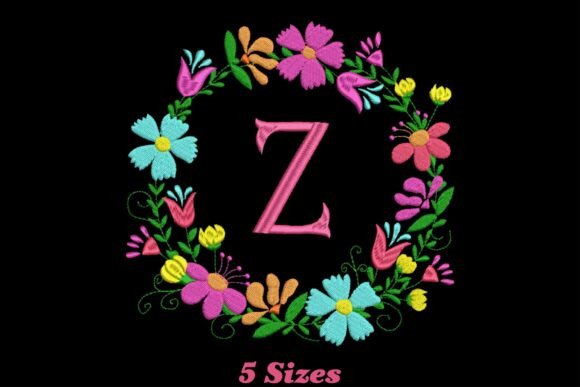
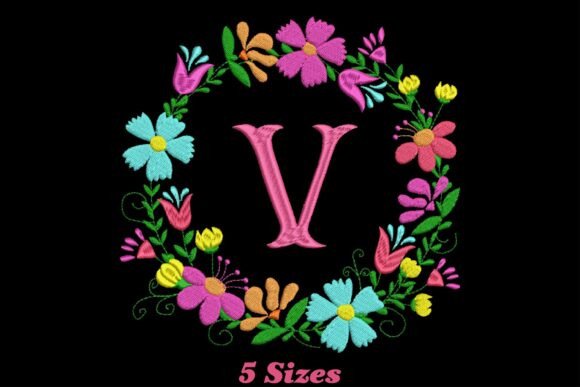
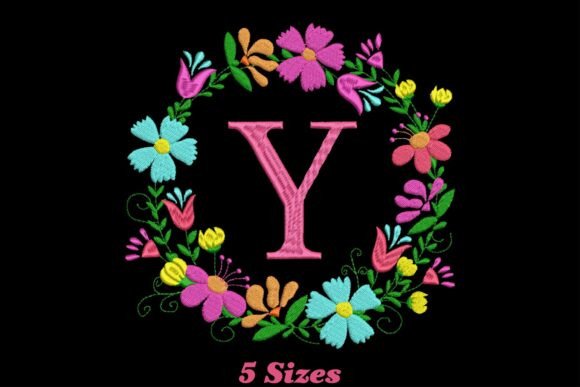
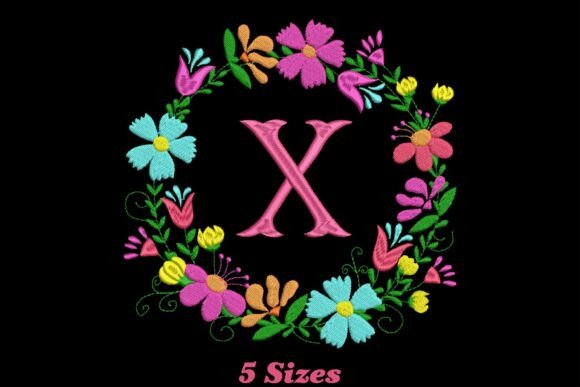
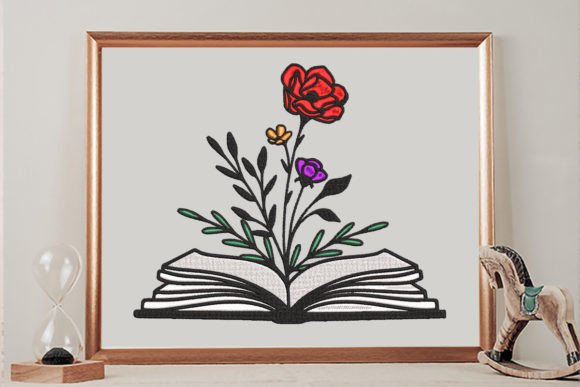
Flower Books immediately caught my eye with its charming, whimsical aesthetic. The design features a collection of delicate flowers and leafy motifs, rendered with a soft, hand-drawn feel that brings a sense of warmth and playfulness to any fabric. The color palette is gentle and inviting, making it versatile for both pastel and muted tones.
The level of detail is impressive, with intricate petals and stems that suggest a thoughtful design process. It’s clear that the creator put effort into balancing complexity with readability, ensuring that the design remains appealing even when scaled down or viewed from a distance.
Stitching Personality and Decorative Appeal
Flower Books is not just a decorative element—it’s a statement. The combination of satin stitch and running stitch creates a soft, textured look that adds depth without overwhelming the fabric. The fill stitch work gives the flowers a three-dimensional quality, which enhances their visual impact on textiles like towels, pillow covers, and aprons.
What makes this design particularly appealing is its adaptability. Whether used as a standalone motif or as part of a larger pattern, Flower Books can easily fit into a range of styles, from rustic farmhouse to modern minimalist. Its versatility makes it a great choice for seasonal products, especially during spring and summer months.
Real-World Performance in Embroidery Projects
When testing Flower Books on various fabrics, I found it performs well across a range of materials. On cotton and linen, the design looks crisp and clean, with minimal puckering. However, on stretchy or textured fabrics like denim or canvas, I recommend using a stabilizer to maintain shape and prevent distortion.
One thing to consider is the density of stitches in certain areas. While the overall design is well-balanced, some sections—particularly the flower centers—have a higher stitch count. This may require more careful handling, especially on smaller hoop sizes. For best results, I recommend testing the design on scrap fabric before committing to a final product.
Flower Books also works well on curved surfaces such as caps and patches, where maintaining the integrity of the design is crucial. The subtle curves and flowing lines of the design make it ideal for these applications, adding a touch of elegance to everyday items.
Practical Use Across Product Types
This design is perfect for a wide range of products, including tote bags, sweatshirts, baby blankets, kitchen towels, and personalized gifts. Its soft, approachable style makes it suitable for both children’s and adult-oriented items, offering a versatile option for Etsy sellers and small business owners.
For commercial embroidery, Flower Books can be used to create branded merchandise, boutique items, and craft fair products. The design’s charm and consistency make it a strong candidate for repeat use, helping to build brand recognition and customer loyalty.
When considering printable mockups, Flower Books offers a good balance between detail and clarity. It renders well in both light and dark fabrics, though I recommend checking the design assets on Creative Fabrica to ensure compatibility with your specific machine and software.
Impact on Product Value and Buyer Trust
Using Flower Books can significantly enhance the perceived value of your handmade products. Its whimsical yet refined appearance appeals to a broad audience, making it a great choice for gift items, custom apparel, and home decor. The design’s visual appeal and consistent quality help build trust with customers, especially when used in personalized or limited-edition products.
From a marketing standpoint, Flower Books can elevate the presentation of your handmade goods. Its unique style is well-suited for product photography, allowing for creative compositions that highlight both the design and the finished product. This can lead to increased engagement and better conversion rates for online listings and physical sales.
Embroidery Tips for Best Results
To achieve the best results with Flower Books, I recommend the following:
- Test on scrap fabric: Always test the design on a small piece of fabric to ensure it stitches correctly and maintains its intended appearance.
- Check thread color contrast: Select thread colors that complement the design and provide sufficient contrast against the fabric background.
- Review stitch density: Pay attention to areas with high stitch counts, especially if you’re working with smaller hoop sizes.
- Use proper stabilizer: Especially on stretchy or textured fabrics, a stabilizer will help maintain the shape and prevent puckering.
- Confirm file details: Before selling finished products, double-check the licensing and file formats on the Creative Fabrica product page to ensure compliance with usage rights.
- Inspect small details: After stitching, take time to examine the design closely for any missed elements or inconsistencies.
Flower Books is a reliable and charming embroidery design that can add a unique touch to your handmade creations. Whether you're crafting personalized gifts, custom apparel, or boutique merchandise, this design offers both aesthetic appeal and practicality. With a bit of care and attention, it can become a valuable asset to your creative toolkit.